Computer Numerical Control Machining: Precision Manufacturing Services for Industrial Operations
CNC machining serves as a cornerstone of contemporary manufacturing. This technology changes raw materials into exact components through sophisticated computer control. Its applications cover multiple industries, each requiring distinct standards and accuracy. As industries strive to improve efficiency and reduce errors, the role of CNC machining becomes increasingly crucial. Understanding its intricacies and benefits can provide important insights into its growing significance in today's dynamic landscape. What lies beneath this technological advancement?
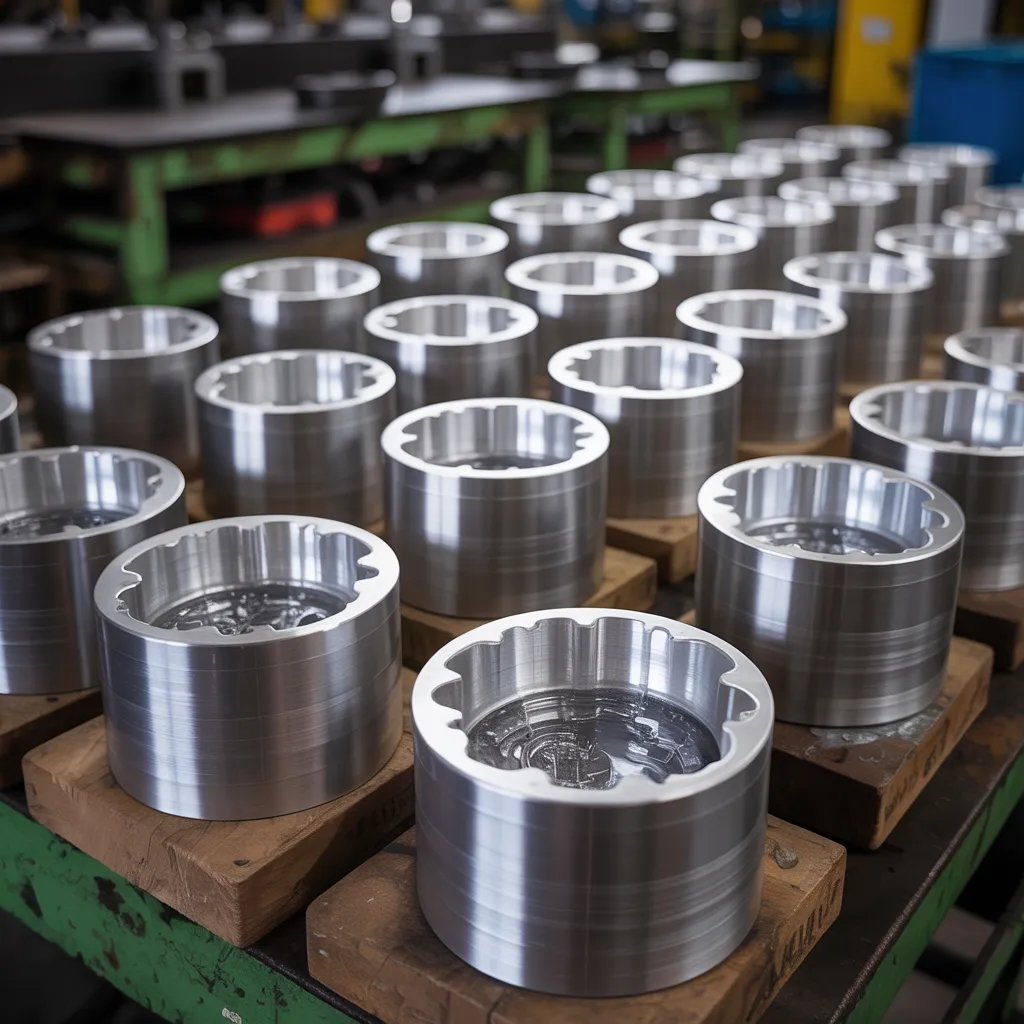
Comprehending CNC Machining: How It Functions and What It Entails
Despite the fact that numerous industries have implemented advanced manufacturing technologies, CNC machining stays a cornerstone of precision manufacturing. This technology uses computer numerical control to automate the movement of machine tools. By analyzing digital designs, CNC machining facilitates the creation of complex parts with high accuracy and repeatability.
Commonly, a CAD (Computer-Aided Design) file acts as the blueprint, guiding the CNC machine as it cuts, drills, or mills the material. The process initiates with the selection of raw materials, typically metals or plastics, followed by the setup additional information of the CNC machine for defined operations.
As the equipment runs the programmed operations, it converts the raw material into the desired shape through accurate motion, enabling intricate designs that are difficult or impossible to achieve manually. This combination of automation and precision makes CNC machining a essential process in industries requiring high-quality components.
Essential Advantages of CNC Machining for Industrial Applications
CNC machining presents many benefits for industrial purposes, improving both productivity and quality in manufacturing processes. A key advantage is its ability to generate complex parts with consistent high precision, reducing the likelihood of human error related to manual machining. In addition, CNC machines can run continuously, leading to increased productivity and quicker completion times for projects.
One more notable benefit is the multi-purpose nature of CNC machining; it can process different materials, including metals, plastics, and composites, which makes it perfect for various industries. Additionally, CNC technology permits simple modification of designs, facilitating rapid adaptations to shifting requirements or specifications.
Lastly, the automation of CNC processes minimizes labor costs while ensuring consistent output quality, which is vital for maintaining competitive advantage in the marketplace. Overall, these advantages make CNC machining an essential component of modern industrial manufacturing.
Key CNC Machining Approaches: Milling, Turning, and Other Methods
When examining the various techniques applied in CNC machining, milling and turning stand out as fundamental processes that meet different manufacturing requirements. Milling requires the use of rotating cutting tools to remove material from a workpiece, allowing for the creation of complex shapes and precise dimensions. This technique is perfect for producing intricate features and surface finishes. In contrast, turning is a process where a workpiece is rotated against a stationary cutting tool, predominantly used to create cylindrical parts with high accuracy.
Moreover, CNC machining incorporates other techniques such as electrical discharge machining (EDM) and laser cutting, each serving particular applications. EDM is particularly suitable for challenging materials, while laser cutting provides exceptional precision in sheet metal fabrication. These diverse machining techniques enable manufacturers to reach required tolerances and surface finishes, improving the overall efficiency and effectiveness of production processes across various industries.
Industries Leveraging CNC Machining for Competitive Advantage
Numerous industries are using CNC machining to acquire a competitive advantage in today's market. The aerospace sector, for example, leverages CNC technology for manufacturing lightweight, precision components that adhere to stringent safety standards. Similarly, the automotive industry utilizes CNC machining for creating intricate parts, optimizing efficiency in production lines. In the medical industry, manufacturers rely on CNC processes to develop custom implants and surgical instruments with high accuracy, ensuring patient safety and comfort.
Furthermore, the electronics industry profits from CNC machining for the production of small, complex parts vital for cutting-edge devices. Furthermore, the energy sector utilizes CNC technology in producing components for renewable energy systems, such as wind turbines. By adopting CNC machining, these industries not only elevate product quality but also decrease lead times and costs, permitting them to stay ahead in a competitive landscape. This versatility and efficiency highlight the pivotal role of CNC machining in modern industrial applications.
How to Choose the Appropriate CNC Machining Service for Your Production Needs
How does one identify the most fitting CNC machining service for a particular project? To begin, it is necessary to assess the project's needs, including materials, tolerances, and production volume. This assessment helps to pinpoint services that are expert in those precise needs. Next, reviewing the service provider's experience and portfolio can offer insight into their capabilities and past projects, securing alignment with the desired outcome.
In addition, analyzing the equipment and technology provided at the facility is crucial, as cutting-edge machines generally lead to superior efficiency and precision. Price is another key element; getting estimates from multiple service providers can assist in making an knowledgeable decision. Finally, assessing customer support and communication practices can boost cooperation across the project. By carefully evaluating these aspects, one can identify a CNC machining service that addresses the technical requirements and aligns with the business objectives of the project.
Questions & Answers
Which Materials Are Compatible with CNC Machining Processes?
Several materials can be used in CNC machining operations, including metals such as aluminum, steel, and titanium, as well as plastics like nylon and acrylic, and wood types such as hardwoods and plywood for diverse applications.
What Is the Duration of a Standard CNC Machining Project?
An average CNC machining project can take roughly a few days to several weeks, based on factors such as complexity, material availability, and design parameters. Timelines may vary considerably according to individual project specifications.
How Much Do CNC Machining Services Cost?
The price range for CNC machining services ranges from $40 to $150 per hour, determined by factors like complexity, material, and volume. Extra expenses may be incurred from tooling and setup requirements.
Are There Any Limitations to CNC Machining Technology?
CNC machining technology has limitations, including limitations in materials, intricate part geometry challenges, and production speeds. Furthermore, significant upfront setup expenses and the necessity of experienced technicians can restrict accessibility for smaller manufacturers or particular applications.
What Methods Ensure Quality Control in CNC Machined Parts?
To maintain quality control in CNC machined parts, it's essential to implement thorough inspection processes, use calibrated measuring tools, conduct regular maintenance on machinery, and comply with established industry standards throughout the manufacturing process.