Sector Trends in Aluminum Foundry Solutions
Notable changes are reshaping the aluminum foundry service industry through multiple influences. Advanced technologies and automation are revolutionizing manufacturing processes. At the same time, sustainability programs are gaining momentum in response to environmental challenges. However, challenges such as raw material price volatility and labor shortages continue to pose risks. Grasping these evolving trends is vital. How will these developments shape the industry's future direction?
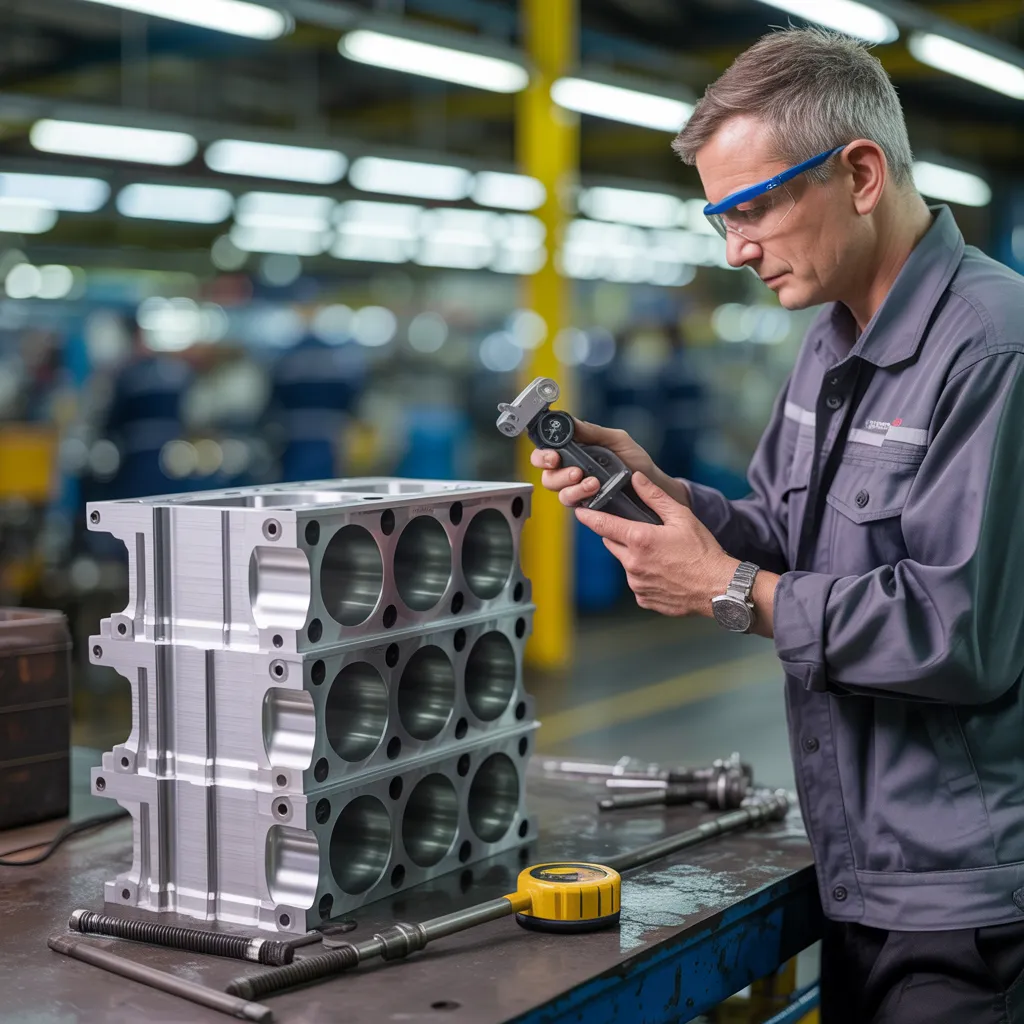
The Rise of Automation in Aluminum Foundry Services
As industries strive for efficiency and precision, the rise of automation in aluminum foundry services has become progressively apparent. This shift illustrates a broader trend towards integrating advanced technologies within manufacturing processes. Automated systems, such as robotics and artificial intelligence, are being implemented to enhance tasks such as molding, pouring, and casting. By reducing manual labor, these technologies not only improve safety but also minimize the potential for human error.
Furthermore, automation allows for real-time monitoring and data collection, permitting foundries to optimize production. This technological advancement is driven by the requirement for speedier production cycles and superior quality standards. As a result, many aluminum foundries are adopting automation to remain competitive in a fast evolving marketplace. The move towards automated solutions indicates a commitment to innovation and adaptability, which are critical for meeting the rising demands of multiple industries reliant on aluminum components.
How Automated Systems Improve Production in Aluminum Foundries
How does automation enhance production efficiency in aluminum foundries? Automation streamlines various processes, markedly reducing manual labor and human error. By implementing robotic systems for tasks such as molding, pouring, and finishing, foundries can achieve higher precision and consistency in their products. These automated solutions additionally enable live monitoring, permitting instant modifications and minimizing downtime.
In addition, automation enhances safety by decreasing worker exposure to dangerous environments. This technology facilitates a more efficient use of resources, maximizing energy consumption and raw material usage. With advanced data analytics, aluminum foundries can predict equipment failures and schedule maintenance in advance, further boosting productivity.
Recent Developments in 3D Printing for Aluminum Foundries?
Current breakthroughs in 3D printing technology are revolutionizing aluminum foundries, providing innovative solutions for design and production. The integration of metal additive manufacturing enables foundries to manufacture complex geometries that were previously impossible through traditional methods. This breakthrough facilitates lightweight, high-strength components, maximizing material usage and decreasing waste.
Moreover, the speed and flexibility of 3D printing improve prototyping capabilities, allowing rapid iterations and reduced lead times. Foundries can now promptly modify designs in response to real-time feedback, optimizing the development process.
Furthermore, progress in printing materials, including aluminum alloys expressly engineered for additive manufacturing, are improving the mechanical properties of printed parts. These innovations are creating opportunities for aluminum foundries to investigate new applications, encompassing aerospace, automotive, and specialized industrial components, eventually driving innovation across multiple sectors. As these technologies steadily evolve, they promise to redefine the landscape of aluminum foundry services.
Green Initiatives Reshaping Aluminum Foundries
Eco-friendly approaches are steadily revolutionizing aluminum foundries, driving the industry towards more environmentally responsible operations. Several foundries are adopting recycling initiatives, where scrap aluminum is reclaimed, substantially reducing consumption of energy and waste production associated with primary aluminum production. Additionally, advancements in energy-efficient melting technologies are being implemented, decreasing greenhouse gas emissions.
Furthermore, foundries are exploring the use of renewable energy sources, such as solar and wind power, to further reduce their carbon footprint. Introducing closed-loop water systems has also increased in adoption, enhancing water conservation while preserving operational efficiency.
Supply chain visibility is being made a priority, fostering the sourcing of materials from sustainable suppliers. Such initiatives not only support environmental stewardship but also match the growing consumer demand for sustainable products. As aluminum foundries incorporate these practices, they are not only improving their operational sustainability but also presenting themselves as leaders in an increasingly eco-conscious market.
The Way Data Analytics Enhances Efficiency in Aluminum Foundries
Data-driven analytics optimizes performance in aluminum foundries by supplying implementable data that improve efficiency and cut operational costs. By leveraging data from various stages of the production process, foundries can detect bottlenecks and improve operations. Predictive analytics plays a vital role in predicting repair necessities, thereby minimizing unplanned downtime and extending equipment lifespan.
Moreover, data analytics facilitates improved inventory management, helping foundries to sustain perfect stock levels of raw materials, thereby minimizing waste and associated costs. Real-time monitoring of production metrics allows for swift decision-making, assisting managers accommodate changing conditions swiftly.
In addition, advanced data visualization tools assist teams interpret complex data sets, making it easier to detect trends and apply improvements. In general, the integration of data analytics fosters a culture of continuous improvement, positioning aluminum foundries to fulfill the demands of an evolving market while boosting productivity.
Advanced Alloys: Overcoming Challenges in Today's Manufacturing
The creation of novel alloy formulations is essential for meeting the challenges faced in current manufacturing. These advanced alloys offer superior mechanical properties that can boost product performance and durability. As industries aim to maximize efficiency and lower costs, the significance of these materials becomes continually more significant.
Next-Generation Metallic Developments
As sectors more and more need materials that can tolerate extreme conditions while retaining performance and cost-effectiveness, innovative alloy formulations have emerged as a critical solution. These formulations utilize advanced metallurgical principles and modern processing techniques to create aluminum alloys tailored for specific applications. By adding elements such as lithium, magnesium, and silicon, manufacturers are able to improve the properties of aluminum, resulting in lighter, more durable products. These alloys handle challenges created by high temperatures, corrosive environments, and mechanical stress, consequently expanding the potential for use in sectors such as aerospace, automotive, and marine. The persistent development of these innovative alloys not only facilitates sustainability goals through improved resource efficiency but also drives competitiveness in an evolving market landscape.
Superior Mechanical Properties
As numerous sectors encounter growing requirements for materials merging strength and reduced weight, sophisticated alloys have surfaced as a critical answer to improve mechanical properties. These cutting-edge materials, frequently engineered with particular elemental compositions, provide superior tensile strength, fatigue resistance, and corrosion resistance. Producers are progressively employing advanced aluminum alloys in applications extending from aerospace to automotive, where reliability and functionality are essential. The integration of alloying elements such as lithium and magnesium has led to substantial advancements in weight reduction without undermining durability. Furthermore, these alloys allow manufacturers to satisfy stringent industry standards while enhancing production processes. Therefore, the adoption of advanced alloys continues to reshape the landscape of modern manufacturing, pushing efficiency and performance to unprecedented levels.
Common Questions
What Types of Aluminum Alloys Are Commonly Used in Foundry Services?
Widely employed aluminum alloys in foundry services include 356, 319, and A356, each providing unique properties. These alloys are preferred for their exceptional casting characteristics and strength, making them ideal for diverse applications in manufacturing.
How Do Aluminum Foundries Guarantee Quality Control Across Production?
Aluminum casting facilities maintain quality control through thorough testing protocols, including mechanical property assessments and chemical analysis. They also follow standardized processes, conduct periodic quality checks, and employ advanced technologies to monitor consistency in production and product quality.
What Are the Main Challenges Faced by Aluminum Foundries Today?
Aluminum foundries today face challenges such as rising raw material costs, stringent environmental regulations, labor shortages, technological advancements, and competition from alternative materials, which collectively affect efficiency, profitability, and operational sustainability overall.
What Methods Do Foundries Use to Manage Aluminum Waste and Recycling?
Foundries leading aluminum foundry in usa manage waste and recycling by deploying effective collection systems, using advanced separation technologies, and supporting the reuse of scrap aluminum. These practices help decrease environmental impact while improving resource recovery and operational efficiency.
What Is the Typical Turnaround Time for Aluminum Foundry Services?
Common lead times for aluminum foundry services range from several weeks to multiple months, depending on factors such as complexity of the project, order volume, and the foundry's manufacturing capability and scheduling efficiency.